

Background Research
These sources are our basis for creating the TREE Initiative, and provide information about the environmental inequity that has been present and growing in Houston over time.
Rice University
Kinder Institute for Urban Research

Utilizing the tree equity score, the Rice Kinder Institute discovered that socioeconomically disadvantaged areas and communities of color are suffering the most from urban tree inequality in the U.S. They also found a discrepancy of about 14% between tree canopy cover in the wealthiest and the most impoverished neighborhoods. Read more at the Urban Edge article
How America’s treeless streets are fueling inequality - The Guardian

"'You can’t even be on the street because of the heat,' said Adelea-Lopez who takes the bus to her seamstress job. 'There aren’t a lot of trees. There are a lot of apartments. A lot of cement.'" Read more at the Guardian article
A Case for Cool Trees: HARC

"Trees infuse resilience into urban communities by mitigating extreme heat, alleviating flood risk, capturing carbon, conserving energy, improving environmental quality, and contributing to community health and wellbeing. However, trees are not evenly distributed across Houston, which means all residents do not experience the benefits they provide" Read more at the Case for Cool Trees Report
Harris County Climate Justice Plan

In 2023, the Harris County Commissioners Court Office of Sustainability created a countywide, equity centered Climate Justice and Action Plan. It seeks to help increase collaboration with communities, center community voices in the decision making process, and understand
how equity can and should drive climate action planning. Read it here
Tree Equity Scorer

This site shows the tree equity within regions all across the Unites States. To see the tree equity of your city, click here
Dr. Robert D. Bullard, Ph.D., Father of Environmental Justice

Dr. Robert D. Bullard was one of our largest inspirations when creating the TREE Initiative. Referred to as the "Father of Environmental Justice", he delved deep into the concept of environmental inequality and was one of the first advocates that sought to ensure that all people have equal protection of environmental regulations. Read more about him here.
Reading List
The following books helped to inspire our mission by informing us about the environmental inequities entrenched within our society, and what needs to be done to fight against them. As climate change worsens we need to mitigate it as a whole, but also help the communities most impacted by its effects.

A Terrible Thing to Waste - Harriet A. Washington

There's Something in the Water - Ingrid R.G. Waldron

What is Critical Environmental Justice - David Naguib Pellow

Silent Spring - Rachel Carson

The Story of More - Hope Jahren
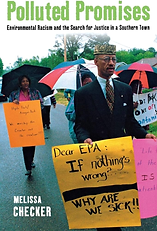
Polluted Promises - Melissa Checker

Unequal Protection - Sierra Club

Braiding Sweetgrass - Robin Wall Kimmerer

Climate Justice - Mary Robinson

Under a White Sky - Elizabeth Kolbert

Toxic Communities - Dorceta E. Taylor

A Life on Our Planet - David Attenborough